The Strength of Branding
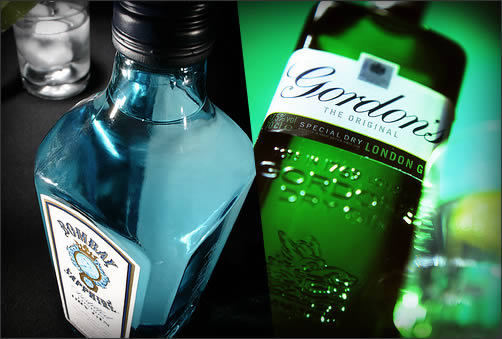
Brand strength is a term that gets pandered around a lot, and at times can seem like a vague and aloft marketing term, akin to “Thinking outside the box” or “360 degree solutions”, however recently I was given a stark example of how brand strength can affect perceived product quality, and reminded me how important building a strong brand can be.
A friend of mine claims gin to be her staple poison of choice, and as we made our way to the beer shop she took great pride in telling me how, as good as Gordons Gin (£28.95 a bottle) is, it is considerably inferior to Bombay Sapphire (£38.94 a bottle). My reply?
“Bollocks! There’s no way you could tell the difference!”
Twenty minutes later we’re back at the flat and I’ve racked up 4 glasses, labeled A, B, C, and D, two with Gordons, two with Bombay Sapphire, and each with equal amounts of tonic added. How did she fair in this incredibly scientific blind test? She named two correctly, and got two wrong. Taking into account this fifty percent success rate (and ignoring the bruised pride) is it enough to justify the £10 difference between the two products? Probably yes, as it takes time to acquire the taste for gin subtleties (as with many premium products), and you can’t acquire that taste without buying the product many first.
What is startling though is how we let brands tell us and others that we have taste long before we’ve actually acquired it. An audiophile may explain in detail how their new B&W speakers sound better than cheaper models long before their ears have adjusted to the new sound, just as a fashionista might wax lyrical about the cut of a Saville Row suit when in reality a Top Shop suit feels identical.
As Wally Ollins said, people love brands, and understanding how a strong brand can affect how people see and project themselves now will help us to create and craft brands in the future.
No commentsNo comments yet. Be the first.
Leave a reply